


 English
 Español
Посадка с зазором — это состояние сборки, при котором минимальный диаметр отверстия всегда...
ЧИТАТЬ ДАЛЬШЕ
Объяснение цементации: что это такое, как это работает и почему это важно для производства
Контент
- 1 Что именно происходит во время закалки?
- 2 Почему Case Harden, а не Through Harden?
- 3 Шесть основных процессов ужесточения ситуации
- 4 Какие металлы можно закаливать?
- 5 Как проверяются глубина и твердость корпуса?
- 6 Как цементация влияет на обработку и оснастку с ЧПУ
- 7 Как выбрать правильный процесс цементации
- 8 Часто задаваемые вопросы о цементации
- 9 Практические выводы для инженеров-технологов
Цементирующая закалка — это термохимическая обработка поверхности, при которой углерод, азот или и то, и другое рассеиваются во внешний слой заготовки из низкоуглеродистой стали. В результате получается неглубокая, твердая, износостойкая оболочка, окружающая мягкую и прочную сердцевину. Вот почему шестерни, пальцы, валы, распределительные валы и компоненты цепи изготавливаются из цементированной стали, а не из материала сквозной закалки: поверхность устойчива к истиранию и контактной усталости, а внутренняя часть сохраняет гибкость, необходимую для поглощения ударных нагрузок.
Весь процесс контролируется атомной диффузией. Атомы углерода или азота проникают в поверхность стали при повышенной температуре, образуя после закалки закаленный налет. В отличие от сквозной закалки, при которой все поперечное сечение превращается в мартенсит, цементационная закалка создает градиент твердости. В зависимости от метода глубина корпуса может варьироваться снизу 0,05 мм более чем 1,5 мм , а твердость поверхности может достигать 58–64 HRС для науглероженных деталей или 600–1100 ВН для азотированных деталей (Источник: Fractory; Aalberts ST).
Что именно происходит во время закалки?
Химический процесс цементации относительно прост. Низкоуглеродистые стали, содержащие менее примерно 0,25% углерода плохо поддаются обычной закалке, поскольку углерода просто недостаточно для образования прочной мартенситной структуры. Закалка решает эту проблему путем добавления углерода или азота на поверхность перед закалкой.
- Стальная деталь нагревается до аустенитной фазы, обычно между 850 °С и 950 °С для цементации.
- Атомы углерода из газовой, твердой или жидкой среды диффундируют в аустенитную зеренную структуру на поверхности.
- После контролируемого периода выдержки деталь закаливается. Обогащенная углеродом поверхность превращается в твердый высокоуглеродистый мартенсит, а низкоуглеродистая сердцевина становится прочным низкоуглеродистым мартенситом или ферритом.
- Далее следует этап отпуска для снятия остаточного напряжения и регулировки окончательной твердости поверхности.
Глубина закаленного слоя подчиняется закону диффузии, примерно пропорциональному квадратному корню из времени. Удвоение времени процесса увеличивает глубину гильзы примерно в 1,4 раза, а не в 2. На практике газовая цементация при 925 °C дает примерно 0,1–0,2 мм глубины корпуса в час , поэтому на гильзу толщиной 0,8 мм обычно требуется от четырех до восьми часов в зависимости от марки стали и атмосферы в печи (Источник: Википедия).
Почему Case Harden, а не Through Harden?
Решение между усилением кейса и сквозным усилением не является вопросом того, что вообще «лучше»; это зависит от условий нагружения детали. Закалка предпочтительна, когда компонент испытывает сильный поверхностный износ, контакт качения или циклические изгибающие нагрузки. Сквозная закалка предпочтительна для деталей, которым необходима одинаковая твердость по всему поперечному сечению, например, режущих инструментов и пружин.
| Недвижимость | Упрочнение корпуса | Через закалку |
|---|---|---|
| Распределение твердости | Высокая поверхность, мягкая сердцевина | Равномерное по сечению |
| Типичная твердость поверхности | 58–64 HRС (carburized) | 45–65 HRС |
| Твердость ядра | Обычно 20–45 HRC. | То же, что и поверхность |
| Ударная вязкость | Высокий, сохраняется ядром | Меньший риск хрупкости |
| Типичные марки стали | САЭ 1018, 1020, 8620 | САЭ 1045, 4140, 4340 |
| Типичные компоненты | Шестерни, распределительные валы, пальцы | Плашки, пружины, режущий инструмент |
С точки зрения производства цементация также является стратегией экономии средств. Зубчатое колесо, изготовленное из низколегированной стали 8620, требует меньше затрат на обработку в мягком состоянии, а в конце технологического процесса приобретает поверхностную твердость. Для закалки всей шестерни потребуется использование высокоуглеродистой или легированной стали, что усложнит обработку и увеличит риск деформации и растрескивания.
Шесть основных процессов ужесточения ситуации
У инженеров есть шесть практических способов цементации стали. Каждый из них имеет разную глубину гильзы, профиль твердости и уровень искажений, поэтому выбор во многом зависит от геометрии и функции детали.
| Процесс | Рассеивающий элемент | Температура | Глубина корпуса | Типичная твердость |
|---|---|---|---|---|
| Газовая цементация | Углерод | 850–950 °С | 0,1–1,5 мм | 58–64 HRС |
| Азотирование | Азот | 480–590 °С | 0,1–0,6 мм | 600–1100 ВН |
| Углеродitriding | Углерод nitrogen | 780–880 °С | 0,05–0,75 мм | 55–62 HRС |
| Цианирование | Углерод nitrogen | 800–950 °С | 0,05–0,3 мм | 50–60 HRС |
| Ферритная нитроцементация | Азот small carbon | 570–650 °С | 0,01–0,05 мм | 500–800 ВН |
| Пламя/индукция | Нет (поверхностное отопление) | 850–950 °С | 1–6 мм | 50–60 HRС |
Науглероживание: наиболее широко используемый метод
Науглероживание проводят в газе, жидкой соли или твердых средах. Газовая цементация доминирует в современном производстве, поскольку потенциал углерода можно контролировать в пределах ±0,05% C с помощью кислородных зондов и инфракрасных анализаторов. Процесс начинается с нагрева стали до полностью аустенитной температуры, воздействия на нее эндотермического газа-носителя, обогащенного пропаном или метаном, а затем закалки непосредственно или после стадии диффузии.
Науглероженные корпуса идеально подходят для компонентов, подвергающихся высокому контактному давлению и абразивному износу. Например, передаточное число может иметь глубину корпуса 0,5–0,9 мм , в то время как ось тяжелого грузовика может использовать 1,2–1,5 мм . Сердечник науглероженной шестерни сохраняет твердость примерно 30–40 HRC, что придает зубу прочную основу, предотвращающую поломку при ударных нагрузках (Источник: Металлические супермаркеты).
Азотирование: низкая деформация для прецизионных деталей
Азотирование вводит азот в поверхность стали при относительно низкой температуре. 480–590 °С , без аустенизации и закалки. Поскольку фазовое превращение и закалка в воде отсутствуют, искажения минимальны. Детали можно закаливать в окончательном отшлифованном состоянии практически без изменения размеров.
Классические азотируемые стали содержат хром, молибден и алюминий, например 34CrAlNi7 или 42CrMo4, которые образуют стабильные нитридные выделения. Значения твердости могут достигать 1100 ВВ , значительно выше, чем в цементированных случаях. Коленчатые валы, стержни клапанов и компоненты системы впрыска топлива выигрывают от этого метода, поскольку тонкий твердый слой противостоит износу, не влияя на прецизионную геометрию.
Карбонитрирование: более быстрый цикл для деталей меньшего размера
Карбонитрирование добавляет аммиак в атмосферу цементации, поэтому поверхность поглощает как углерод, так и азот. Азот снижает критическую скорость охлаждения, позволяя закалку в масле или даже газе деталей малого сечения. Этот процесс протекает при более низкой температуре, чем цементация, что снижает искажения и обеспечивает более жесткие допуски.
Типичными областями применения являются небольшие автомобильные детали: саморезы, коромысла, диски сцепления и тонкостенные втулки. Глубина корпуса обычно ограничивается 0,05–0,75 мм .
Цианирование и ферритная нитроцементация
При цианировании используется расплавленная ванна с цианидом натрия или калия при температуре 800–950 ° C. В ходе этого процесса добавляются углерод и азот, в результате чего получается неглубокий и твердый корпус, подходящий для мелких деталей, таких как болты и штифты. Из-за токсичности цианистых солей их промышленное использование во многих регионах сократилось, но они остаются эффективными для крупнообъемных мелких компонентов.
Ферритная нитроцементация, часто продаваемая под торговыми марками, такими как Tenifer или Tufftride, работает при температуре 570–650 ° C и дает очень тонкий составной слой эпсилон-нитрида железа. Он используется для гидравлических компонентов, кулачковых пластин и деталей токарных станков, которым требуется умеренная износостойкость и улучшенные противозадирные характеристики практически без изменения размеров.
Пламенная и индукционная закалка
Строго говоря, пламенная и индукционная закалка являются методами поверхностной закалки, а не диффузионными методами. Поверхность быстро нагревают до температуры аустенита, а затем закаливают. Поскольку углерод не добавляется, сама сталь должна содержать как минимум 0,30% углерода . Обычно выбирают среднеуглеродистые стали, такие как SAE 1045, 4140 и 4340.
Эти методы создают более глубокую закаленную зону, обычно 1–6 мм и используются для крупных деталей, где процесс диффузии будет слишком медленным или дорогим: зубья шестерен, кулачки, шейки подшипников и поверхности рельсов.
Какие металлы можно закаливать?
Не все стали одинаково реагируют на цементацию. Выбор зависит от предполагаемой твердости, прочности сердцевины, стоимости и того, будет ли деталь закаляться в масле, воде или газе.
- Низкоуглеродистые стали (до 0,25 % С): Лучше всего подходит для цементации. SAE 1018, 1020 и 1026 хорошо затвердевают после обогащения углеродом и стоят недорого.
- Низколегированные науглероженные стали: В SAE 8620, 4320 и 4820 добавляются хром, никель и молибден для повышения твердости сердцевины и усталостной прочности.
- Среднеуглеродистые стали: SAE 1045, 4140 и 4340 можно подвергать азотированию или закалке пламенем/индукцией, но они не идеальны для науглероживания, поскольку их сердцевина уже содержит достаточно углерода.
- Чугун: Азотирование и ферритная нитроцементация чугуна используются для повышения износостойкости, особенно гильз цилиндров и гидравлических компонентов.
- Нержавеющая сталь: Обычная цементация снижает коррозионную стойкость. Специализированная низкотемпературная цементация, часто называемая «кольстеризацией», позволяет получить очень твердый корпус без выделения карбидов хрома, но этот процесс является дорогостоящим и доступен только специализированным поставщикам.
Распространенным заблуждением является то, что все стали можно закаливать. Высокоуглеродистые и большинство инструментальных сталей не могут быть эффективно науглерожены, поскольку они уже содержат избыток углерода; попытка сделать это приводит к грубому и хрупкому корпусу. Для этих материалов азотирование является правильным методом диффузионной закалки.
Как проверяются глубина и твердость корпуса?
Контроль качества цементации основан на двух измерениях: твердости поверхности и эффективной глубине цементации. Твердость поверхности обычно проверяют индентором Роквелла или Виккерса. Для науглероженных деталей спецификация обычно следующая: 58–64 HRС на готовой поверхности.
Эффективная глубина гильзы — это расстояние от поверхности до точки, где твердость падает до определенного порога. Наиболее распространенным определением является 550 ВН , что соответствует примерно 50 HRC. ISO 2639 определяет стандартный метод измерения эффективной глубины гильзы; общая глубина корпуса, напротив, включает переходную зону, где твердость постепенно возвращается к уровню ядра.
Проверка производства обычно выполняется на расходной детали или тестовом купоне, который идет вместе с партией. Для определения профиля твердости наносят ходы микротвердости поперек полированного сечения. При обработке больших объемов выборка партий и проверка первой партии дают уровень статистической достоверности, достаточный для большинства производственных стандартов.
Как цементация влияет на обработку и оснастку с ЧПУ
Для механических цехов и производителей пресс-форм цементация меняет всю последовательность обработки. Типичный рабочий процесс обрабатывает деталь в мягком состоянии, закаливает ее, а затем выполняет окончательную шлифовку или операцию электроразряда. Это позволяет избежать прорезания твердого корпуса на этапе первичной обработки и обеспечивает предсказуемость затрат на оснастку.
В производстве пресс-форм закаленную полость с поверхностью твердостью 60 HRC невозможно обработать обычными концевыми фрезами. Вот где электроэрозионная обработка (ЭЭО) становится существенным. Для полостей пресс-форм, требующих электроэрозионной обработки после закалки, можно использовать компактный электроэрозионный станок с ЧПУ, такой как Небольшой электроэрозионный станок с ЧПУ CNC430 для изготовления металлических форм создает полости без заусенцев в закаленной инструментальной стали, не вызывая механических напряжений.
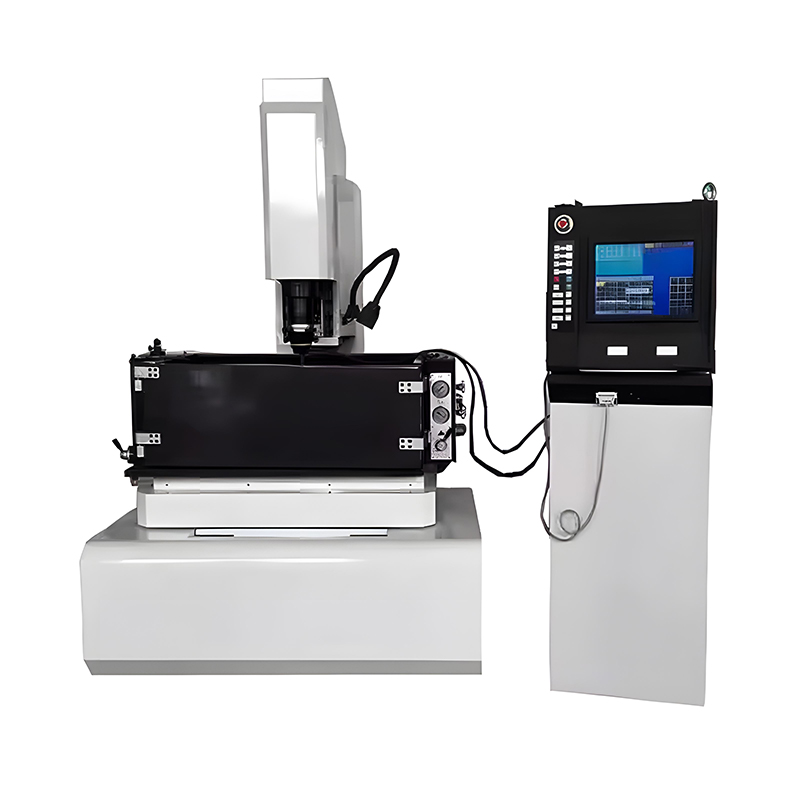 3-осевой электроэрозионный станок с ЧПУ Трехосевой станок с ЧПУ E... Посмотреть продукт →
 Для компонентов, которые закаливаются перед окончательной обработкой, сам станок должен быть достаточно жестким, чтобы выдерживать прерывистые резы и твердые материалы. При обработке предварительно закаленных заготовок используйте вертикальные обрабатывающие центры с жесткими рельсами, такие как VMC855 высокоскоростной вертикальный обрабатывающий центр с жесткой направляющей справляется с вибрацией и силами резания лучше, чем станок с линейными направляющими того же размера.
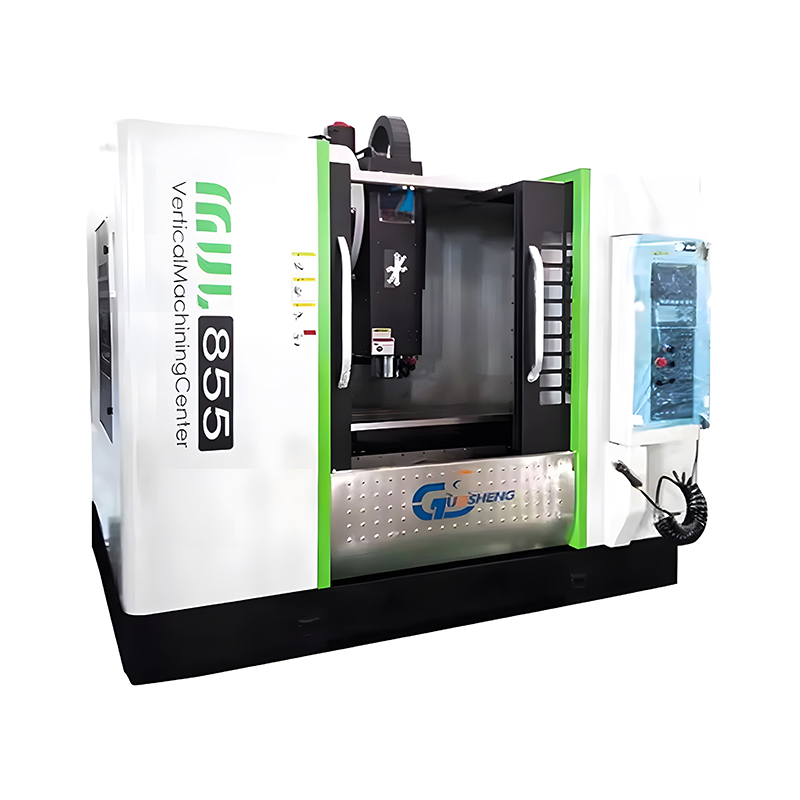 Серия обрабатывающих центров с жестким рельсом (две линии и одна жесткая) Железнодорожная машина... Посмотреть продукт →
 Тонкие контуры и запорные кромки в закаленных штампах часто обрабатываются электроэрозионной проволокой. Для закаленных зубчатых колес и штампов, требующих точных контуров, можно использовать электроэрозионный станок, такой как Высокоскоростной электроэрозионный станок с поперечной проволокой SZ36 обеспечивает повторяемую точность размеров без тепловых искажений.
 Крестообразный медленный электроэрозионный станок Крестообразный медленный... Посмотреть продукт →
 Если вы пересматриваете свою текущую установку для обработки закаленных деталей, стоит консультации наших инженеров-механиков о правильном балансе между фрезерованием в мягком состоянии, закалкой и чистовой отделкой. Для более широкого обзора доступного оборудования вы также можете оценить полный спектр электроэрозионных станков подходит для различных размеров закаленных заготовок. И если вы хотите сравнить возможности процесса электроэрозионной обработки с традиционным фрезерованием, прежде чем разрабатывать технологический маршрут, детальное сравнение технологий электроэрозионной обработки является практическим ориентиром.
Как выбрать правильный процесс цементации
Не существует универсального лучшего процесса. Правильный выбор — это компромисс между глубиной корпуса, допуском на искажения, стоимостью производства и уже указанной на чертеже маркой материала.
- Определите управляющий режим отказа. Абразивный износ требует цементации, а истирание и адгезия требуют азотирования или ферритной нитроцементации.
- Проверьте требования к прочности корпуса. Если для детали требуется прочный, но прочный сердечник, науглероживающая легированная сталь, такая как 8620, безопаснее, чем обычная 1018.
- Оцените риск искажений. Азотирование происходит при низкой температуре и приводит к минимальному изменению размера; цементация требует закалки и приведет к еще большей деформации.
- Проверьте допуск после закалки. Шлифованные поверхности предсказуемы, но для сложных внутренних форм может потребоваться электроэрозионная обработка или резка проволокой.
- Рассчитайте стоимость партии. Газовая цементация экономична для больших партий; азотирование обходится дороже, но исключает необходимость финишной обработки многих прецизионных деталей.
Практическое правило, используемое во многих цехах термообработки, заключается в следующем: если деталь нуждается в твердой поверхности выше 58 HRC, а сердечник должен оставаться ниже 40 HRC, используйте цементацию. Если деталь уже отшлифована до окончательного размера и не терпит деформации, используйте азотирование. Если деталь небольшая и производится в больших объемах, нитроцементация обеспечивает самое короткое время цикла.
Часто задаваемые вопросы о цементации
В чем разница между цементацией и сквозной закалкой?
Закалка создает твердый поверхностный слой, оставляя сердцевину мягкой и прочной. В результате закалки все поперечное сечение преобразуется в мартенсит, обеспечивая однородную твердость, но меньшую ударную вязкость. Цементированная закалка выбирается для деталей, которым требуется устойчивость к поверхностному износу и гибкость сердечника, например, шестерни и валы.
Насколько глубока цементация?
Науглероженные гильзы обычно варьируются от от 0,1 до 1,5 мм . Азотированные случаи обычно от 0,1 до 0,6 мм . Зоны огневой и индукционной закалки могут достигать от 1 до 6 мм . Требуемая глубина указана в технических чертежах с учетом контактного давления и ожидаемого срока службы.
Можно ли закалить нержавеющую сталь?
Да, но не теми же методами, что и для углеродистой стали. Обычная цементация нержавеющей стали снижает коррозионную стойкость. Низкотемпературная цементация и специальные процессы азотирования позволяют получить твердый корпус с сохранением пассивационного слоя, но с более высокими затратами на обработку.
В чем разница между цементацией и азотированием?
Науглероживание добавляет углерод при температуре 850–950 ° C и требует закалки для образования мартенсита. При азотировании азот добавляется при температуре 480–590 ° C без закалки, что дает меньшую деформацию. Науглероживание приводит к более глубоким гильзам; азотирование дает более твердые и тонкие поверхности.
Какие стали лучше всего подходят для цементации?
SAE 1018 и 1020 — экономичный выбор с низким уровнем выбросов углерода. SAE 8620 — наиболее распространенная низколегированная марка для цементации. Если деталь будет азотироваться, широко используются хромомолибденовые сплавы, такие как 4140 или 4340, а наибольшую твердость дают азотированные стали, легированные алюминием.
Влияет ли цементация на коррозионную стойкость?
Для углеродистых и низколегированных сталей коррозионное поведение закаленного корпуса существенно не хуже, чем у основного материала. Стандартная цементация нержавеющей стали вредна для коррозионной стойкости. Низкотемпературная обработка поверхности необходима для сохранения как твердости, так и пассивности.
Практические выводы для инженеров-технологов
Цементация остается одним из наиболее эффективных способов увеличения срока службы стальной детали без резкого увеличения ее стоимости. Процесс хорошо изучен, стандарты устоялись, а влияние на последующую обработку предсказуемо.
Планируя маршрут производства закаленного компонента, помните три вещи:
- Сначала машина, второе закалка, третье финиш. Это самая дешевая последовательность для большинства деталей.
- Глубину корпуса на чертеже указывайте в миллиметрах или десятых долях миллиметра, а не в виде расплывчатого слова типа «закаленный».
- Убедитесь, что установка для термообработки использует проверенную систему контроля атмосферы и может предоставить отчет о проверке твердости для первого изделия.
Благодаря правильному выбору марки материала, правильному процессу закалки и реалистичной стратегии отделки цементация надежно продлевает срок службы компонентов любых компонентов: от небольших автомобильных штифтов до тяжелых промышленных зубчатых передач.
ПРЕДВАРИТЕЛЬНОV:Титан против алюминия: что прочнее и когда следует выбирать каждый?
СЛЕДУЮЩИЙ:Что означает ЧПУ в производстве? | Значение ЧПУ, станки и использование
СЛЕДУЮЩИЙ:Что означает ЧПУ в производстве? | Значение ЧПУ, станки и использование
Заинтересованы в сотрудничестве или у вас есть вопросы?
Новости
-
-
Термическая обработка — это контролируемый термический процесс, который изменяет механические ...
ЧИТАТЬ ДАЛЬШЕ -
Электроэрозионный станок, также называемый электроэрозионным станком, использует контролируемы...
ЧИТАТЬ ДАЛЬШЕ -
Режущие инструменты используются для преобразования сырья в функциональные детали. Режущ...
ЧИТАТЬ ДАЛЬШЕ -
Станок с ЧПУ может резать, сверлить, фрезеровать, точить, обжигать и придавать форму практ...
ЧИТАТЬ ДАЛЬШЕ -
Что такое 5-осевой станок с ЧПУ? Прямой ответ для владельцев магазинов Представьте себе ...
ЧИТАТЬ ДАЛЬШЕ

-
Адрес завода
Китай, провинция Цзянсу, г. Наньтун, промышленный парк посёлка Чжаси (к западу от электростанции «Хуанэн»)
-
Телефон
+86-13615235768
+86-15950816906
-
Факс
+86-513-85632766
-
Электронная почта
pan.director@sunwayer.com
Оставайтесь на связи
Если вы не можете найти ответ на свой вопрос, свяжитесь с нашей дружелюбной командой.
Оставайтесь на связи
Авторское право © Nantong Sunway Science and Technology Development Co., Ltd. Все права защищены.
